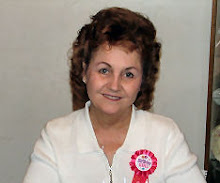
Tips on Foreshadowing by guest blogger Bob Bruggemann
Wikipedia says foreshadowing is a literary device in which an author suggests certain plot developments that might come later in the story. This is an example of foreshadowing:
Sam thought about what the perpetrator said. It was nothing he hadn’t heard before; he’d been threatened many times. The light turned green and he swung around the corner. His eyes panned down the quiet block of single family homes and he knew something was wrong. His partner’s house was dark and so was his. Sam rolled up to the curb and turned off the engine. Leaving his cap on the passenger seat, he pulled out his service revolver, loaded a round into the chamber, and cautiously stepped out of the car.
Sam’s actions give a blatant description of what could happen next. The reader has been forewarned that something might be wrong. It could be a false alarm or it could be something devastating. Only time will tell.
The reader will fall into this trap easily and without suspicion. It’s perfectly natural for a man to enter a tense and dangerous situation with his gun drawn… but suppose he enters the foyer and the lights suddenly come on.
“Surprise! Happy birthday, Honey!” He finds a room full of neighbors in the living room, holding up drinks for a toast. The joy fades as they focus on Sam’s cocked 9mm pistol.
This scenario is a variation of foreshadowing called “misdirection” or otherwise known as a “Red Herring.” See http://en.wikipedia.org/wiki/Foreshadowing for more examples on the following:
o Premonition
o Master patterning
o Red herring (misdirection)
o Prophecy’s and omens
As an author, you control your world, along with everyone and everything in it. Never be afraid to experiment and push your muse to the limit. There are no limitations to your imagination.
Showing posts with label Writing. Show all posts
Showing posts with label Writing. Show all posts
Sunday, January 15, 2012


Thursday, December 15, 2011
CONTEST WINNERS ANNOUNCED
SHORT STORY CONTEST WINNERS
Thank you to our judges: Head judge - Jo Popek - and judges Mr. Lynn Carroll and Annie Evett. Without them, there would have been no contest. Many thanks! Here are their decisions for Creative Writing Institute's Third Annual Beginner's Writing Contest:
1st place: Secrets Best Kept by Diane Davis
2nd place: Annabell Hated Being Asian by Michelle Yu (age 15)
3rd place: Apples, Pumpkins, or Manure by Shirley Dilley
Honorable mentions: Helen Crall, Sneha Koilada, Shirley Dilley
Read 2nd place, 3rd place and honorable mention stories here:
http://www.cwinst.com/ContestWinners.php
And now for our first place winner's story in it's entirety...
SECRETS BEST KEPT by Diane Davis (See Diane's bio at the bottom)
Rachel pulled the last box out of her mother’s closet and set it on the bed. Putting her fists in the small of her back, she stretched her aching back and rolled her shoulders. With a sigh she opened the flaps. She had delayed long enough. The cleaning service was due this afternoon.A loud clang from the kitchen indicated her older sister, Sylvia, had things moving along in there. Packing up the debris from the life of a sixty-two-year-old woman was physically exhausting, but when she was your mother it was emotionally taxing too.
Rachel pulled a pink baby afghan out of the box and laid it aside. She didn’t know whose it was, but she and Sylvia would never have kids. Maybe she’d give it to the Cradle Guild at church. Next came a jumble of stuff. A tassel from a graduation cap, a Kewpie doll, an old Timex, a pair of baby shoes.
At the bottom of the box she found a small brown notebook bound with a thick rubber band. The cover had no writing on it, front or back. Rachel started to take off the rubber band, but hesitated. It felt wrong, digging through Mama’s personal things like this. She had been a private person, loving but reserved, even with her family. Now that she was gone, Rachel felt like she was violating some unwritten rule. But she couldn’t throw the notebook away without looking at it. After all, there may be something important in there. She pulled off the rubber band and opened the cover before she could change her mind.
In the upper right-hand corner of page one was what looked like a date:14 Juni, 1968. The page was crammed with line after line of her mother’s fluid cursive, but Rachel couldn’t understand a word of it because it was in—German? Did her mother speak German?
Flipping through the rest of the notebook, Rachel’s unease grew. She didn’t know what this meant, but she sensed it was bad. Why would Mama have a diary written in a language she never spoke in everyday life? Had she been hiding something?
Rachel’s first impulse was to show it to her sister. After all, Sylvia was thirteen years her senior—maybe she would remember a time when Mama spoke German. Rachel almost called out to her, but the words died unuttered. Her sister had taken Mama’s death hard. That’s why Rachel had the task of packing their mother’s room. Sylvia had finally managed to achieve a certain amount of calm. Showing her the notebook might send her on another crying jag. Besides, maybe it was nothing.
Slipping the notebook into her purse, she decided to find a translator. If it turned out to be harmless as she hoped, she would show it to her sister when the time was right.
* * *
Weeks passed. Rachel had forgotten about the notebook after she scanned the pages and emailed them to a college friend who knew a German language major. Now it was tucked away in the bottom drawer of her nightstand under a half-finished novel and a crossword book. Life went on.
The packet came on a Saturday. Rachel sat at the kitchen table staring at it, torn between the urge to burn it and curiosity over the contents. Once she opened it and read the translation, there would be no going back. Not knowing would drive her crazy, but did she want to deal with the revelations it might contain, good or bad?
Grabbing the packet, she tore it open and pulled out the loose pages. The cover letter was a courtly salutation followed by a polite request for payment, signed by the translator. Her hands shook as she laid it aside and started to read the text.
The first dozen pages related everyday anecdotes about Sylvia and Father, along with notes about her rosebushes, and various church activities. Rachel scanned them, charmed by the light tone of the entries. Her mother seemed to be happy in those days.
At page thirteen, the tone became dark and frightened and angry. Rachel’s reading pace slowed as she tried to comprehend the horrible things her mother had written. She reread portions, too stunned to take it all in. By the end, tears streamed down her face and sobs clawed at her throat. It was much worse than she had ever imagined.
Hilda didn’t know when the incest began, but she gradually became aware of subtle clues. Sylvia shrank from touching her father and avoided direct eye contact with everyone. She had always been shy, but every day she became more withdrawn. Her appetite decreased and she rarely smiled. Finally Hilda was so worried she took her to the doctor. That’s when she learned the depth of her husband’s depravity.
Twelve-year-old Sylvia was pregnant, and Hilda suspected her husband was the father. The family would never survive the shame. To be so young and unmarried and pregnant was bad enough, but to bear a child of incest was horrible. There was only one thing to do.
Hilda put the word out that she was pregnant then took Sylvia with her to stay with a friend in Phoenix until the baby was born. She told her friends that her doctor had recommended the drier climate so her asthma wouldn’t flare up and endanger the baby’s life. After the child was born, Sylvia and Hilda brought her home with nobody the wiser. Rachel grew up blissfully unaware that her loving older sister was her mother, and her mother was actually her grandmother.
Robert never touched Sylvia again, as far as Hilda could tell. Perhaps her threat to go to the police scared him into compliance. But it seemed his depravity only went dormant for a dozen years.
To her horror, she noticed that he began to pay special attention to Rachel. He touched her frequently and his hands lingered on her arm or back. He insisted she kiss him on the lips and he hugged her tight, often pulling her onto his lap. Hilda knew she had to do something before it was too late.
She couldn’t let history repeat itself.
Over the next few days she began to put digitalis in his food, gradually increasing the dose. Never one to go to the doctor, he stayed in bed, forcing fluid even though he kept vomiting, trying to sleep in spite of his splitting headache. Two days later he was dead of a heart attack.
Rachel laid the last page down. She stared at the wall as she struggled to find her balance in this new topsy-turvy paradigm. Her grandmother had killed her father to save her from incest, and her mother was alive. Why she wrote it down, and more importantly, why she wrote the whole tale in German were mysteries that had died with Hilda.
Her mother was alive! Smiling for the first time in hours, Rachel jumped up and rushed to the phone, but she put the receiver back after dialing a few numbers. She covered her mouth as a fresh round of tears rolled down her cheeks.
Sylvia had lived with the pain of this secret for years. Would it be more painful for her if she knew Rachel had learned the truth? Or would it be better to go on as sisters with a close, loving relationship?
Sinking back into her chair, she closed her eyes and took a deep, cleansing breath. Letting go of the tension, sadness and fear, she opened herself to accept everything the diary had revealed. She was still the same person she had been before reading Hilda’s words. There would be time to decide what to do with the knowledge later.
The phone interrupted her meditation. She checked the caller ID and her smile came through in her voice when she answered.
“Hello, Sylvia. I was just thinking about you.”
About the Author
Diane Davis, an Arizona native, is a happily married mother of two with a life-long passion for words. She's had ten short stories and an essay published in online ezines like Long Story Short, Menopause Press and FlashShots, and won first place in Phyllis Scott Publishing's short story contest. Diane's goal is to become a novelist.
____________________________________________________________
CHRISTMAS SALE on WRITING COURSES at http://www.creativewritinginstitute.com until Dec. 31, 2011. All courses now only $177. Eight weeks in length with your own private tutor. It just doesn't get any better than that! Payment plan available. See the site for more details.
Thank you to our judges: Head judge - Jo Popek - and judges Mr. Lynn Carroll and Annie Evett. Without them, there would have been no contest. Many thanks! Here are their decisions for Creative Writing Institute's Third Annual Beginner's Writing Contest:
1st place: Secrets Best Kept by Diane Davis
2nd place: Annabell Hated Being Asian by Michelle Yu (age 15)
3rd place: Apples, Pumpkins, or Manure by Shirley Dilley
Honorable mentions: Helen Crall, Sneha Koilada, Shirley Dilley
Read 2nd place, 3rd place and honorable mention stories here:
http://www.cwinst.com/ContestWinners.php
And now for our first place winner's story in it's entirety...
SECRETS BEST KEPT by Diane Davis (See Diane's bio at the bottom)
Rachel pulled the last box out of her mother’s closet and set it on the bed. Putting her fists in the small of her back, she stretched her aching back and rolled her shoulders. With a sigh she opened the flaps. She had delayed long enough. The cleaning service was due this afternoon.A loud clang from the kitchen indicated her older sister, Sylvia, had things moving along in there. Packing up the debris from the life of a sixty-two-year-old woman was physically exhausting, but when she was your mother it was emotionally taxing too.
Rachel pulled a pink baby afghan out of the box and laid it aside. She didn’t know whose it was, but she and Sylvia would never have kids. Maybe she’d give it to the Cradle Guild at church. Next came a jumble of stuff. A tassel from a graduation cap, a Kewpie doll, an old Timex, a pair of baby shoes.
At the bottom of the box she found a small brown notebook bound with a thick rubber band. The cover had no writing on it, front or back. Rachel started to take off the rubber band, but hesitated. It felt wrong, digging through Mama’s personal things like this. She had been a private person, loving but reserved, even with her family. Now that she was gone, Rachel felt like she was violating some unwritten rule. But she couldn’t throw the notebook away without looking at it. After all, there may be something important in there. She pulled off the rubber band and opened the cover before she could change her mind.
In the upper right-hand corner of page one was what looked like a date:14 Juni, 1968. The page was crammed with line after line of her mother’s fluid cursive, but Rachel couldn’t understand a word of it because it was in—German? Did her mother speak German?
Flipping through the rest of the notebook, Rachel’s unease grew. She didn’t know what this meant, but she sensed it was bad. Why would Mama have a diary written in a language she never spoke in everyday life? Had she been hiding something?
Rachel’s first impulse was to show it to her sister. After all, Sylvia was thirteen years her senior—maybe she would remember a time when Mama spoke German. Rachel almost called out to her, but the words died unuttered. Her sister had taken Mama’s death hard. That’s why Rachel had the task of packing their mother’s room. Sylvia had finally managed to achieve a certain amount of calm. Showing her the notebook might send her on another crying jag. Besides, maybe it was nothing.
Slipping the notebook into her purse, she decided to find a translator. If it turned out to be harmless as she hoped, she would show it to her sister when the time was right.
* * *
Weeks passed. Rachel had forgotten about the notebook after she scanned the pages and emailed them to a college friend who knew a German language major. Now it was tucked away in the bottom drawer of her nightstand under a half-finished novel and a crossword book. Life went on.
The packet came on a Saturday. Rachel sat at the kitchen table staring at it, torn between the urge to burn it and curiosity over the contents. Once she opened it and read the translation, there would be no going back. Not knowing would drive her crazy, but did she want to deal with the revelations it might contain, good or bad?
Grabbing the packet, she tore it open and pulled out the loose pages. The cover letter was a courtly salutation followed by a polite request for payment, signed by the translator. Her hands shook as she laid it aside and started to read the text.
The first dozen pages related everyday anecdotes about Sylvia and Father, along with notes about her rosebushes, and various church activities. Rachel scanned them, charmed by the light tone of the entries. Her mother seemed to be happy in those days.
At page thirteen, the tone became dark and frightened and angry. Rachel’s reading pace slowed as she tried to comprehend the horrible things her mother had written. She reread portions, too stunned to take it all in. By the end, tears streamed down her face and sobs clawed at her throat. It was much worse than she had ever imagined.
Hilda didn’t know when the incest began, but she gradually became aware of subtle clues. Sylvia shrank from touching her father and avoided direct eye contact with everyone. She had always been shy, but every day she became more withdrawn. Her appetite decreased and she rarely smiled. Finally Hilda was so worried she took her to the doctor. That’s when she learned the depth of her husband’s depravity.
Twelve-year-old Sylvia was pregnant, and Hilda suspected her husband was the father. The family would never survive the shame. To be so young and unmarried and pregnant was bad enough, but to bear a child of incest was horrible. There was only one thing to do.
Hilda put the word out that she was pregnant then took Sylvia with her to stay with a friend in Phoenix until the baby was born. She told her friends that her doctor had recommended the drier climate so her asthma wouldn’t flare up and endanger the baby’s life. After the child was born, Sylvia and Hilda brought her home with nobody the wiser. Rachel grew up blissfully unaware that her loving older sister was her mother, and her mother was actually her grandmother.
Robert never touched Sylvia again, as far as Hilda could tell. Perhaps her threat to go to the police scared him into compliance. But it seemed his depravity only went dormant for a dozen years.
To her horror, she noticed that he began to pay special attention to Rachel. He touched her frequently and his hands lingered on her arm or back. He insisted she kiss him on the lips and he hugged her tight, often pulling her onto his lap. Hilda knew she had to do something before it was too late.
She couldn’t let history repeat itself.
Over the next few days she began to put digitalis in his food, gradually increasing the dose. Never one to go to the doctor, he stayed in bed, forcing fluid even though he kept vomiting, trying to sleep in spite of his splitting headache. Two days later he was dead of a heart attack.
Rachel laid the last page down. She stared at the wall as she struggled to find her balance in this new topsy-turvy paradigm. Her grandmother had killed her father to save her from incest, and her mother was alive. Why she wrote it down, and more importantly, why she wrote the whole tale in German were mysteries that had died with Hilda.
Her mother was alive! Smiling for the first time in hours, Rachel jumped up and rushed to the phone, but she put the receiver back after dialing a few numbers. She covered her mouth as a fresh round of tears rolled down her cheeks.
Sylvia had lived with the pain of this secret for years. Would it be more painful for her if she knew Rachel had learned the truth? Or would it be better to go on as sisters with a close, loving relationship?
Sinking back into her chair, she closed her eyes and took a deep, cleansing breath. Letting go of the tension, sadness and fear, she opened herself to accept everything the diary had revealed. She was still the same person she had been before reading Hilda’s words. There would be time to decide what to do with the knowledge later.
The phone interrupted her meditation. She checked the caller ID and her smile came through in her voice when she answered.
“Hello, Sylvia. I was just thinking about you.”
About the Author
Diane Davis, an Arizona native, is a happily married mother of two with a life-long passion for words. She's had ten short stories and an essay published in online ezines like Long Story Short, Menopause Press and FlashShots, and won first place in Phyllis Scott Publishing's short story contest. Diane's goal is to become a novelist.
____________________________________________________________
CHRISTMAS SALE on WRITING COURSES at http://www.creativewritinginstitute.com until Dec. 31, 2011. All courses now only $177. Eight weeks in length with your own private tutor. It just doesn't get any better than that! Payment plan available. See the site for more details.
Thursday, October 13, 2011
Win a Short Story Contest with These Tips!
SHORT STORY CONTEST for BEGINNERS listed below... by Bob Bruggemann
If you want to win a short story contest, the first thing you must do is study the rules. Many submissions are disqualified because they don't meet all the requirements. If formatting guidelines have not been given, single space the text and indent the paragraph. If the rules state a maximum of 1000 words, a 1200-word story, however brilliant, will hit the trash pile. If the short story contest calls for G-rated material (which means no swearing, vulgarities, or erotica) and your entry contains just one swear word, it will be discarded.
Welcome to the judging world, where judges go strictly by the rules. Assuming you follow the guidelines, the judges will then look at these four elements:
• Originality
• Creativity
• Style
• Technique
Let’s look at each one and see what they mean.
Short story contest winners come from second, third, and tenth thoughts. Some contests give you a theme, such as, “Wedding Day.” What’s the first story idea that comes to mind? Whatever it is, forget it. You can bet everyone else will have thought of it, too. A large percentage of submissions will be so similar that the competition will be fierce.
Make your short story unique and the judges will love you. Come at it from a different point of view. Seek a new angle.
Don’t wrack your brain for an idea. Relax. Get your conscious, critical mind out of the way and allow ideas to bubble up from your subconscious. In other words, daydream.
Ask yourself who, what, when, where, why, how, and ‘what if?’ Let your train of thought go where it will. Before long, you’ll have an idea for a story that is different.
For example, what if a shy looking woman attended a wedding and sat in the back, all alone? At the reception, she avoided conversation. She partook of the food and drinks and then left. Back in her lonely, one room apartment she scanned the Forthcoming Marriages column in the local paper to see where her next free food and wine would come from. See? The ‘what if’ question can lead you down original alleys.
In short story contests, you’ll never wrong with the KISS method: Keep It Simple, Sweetie! Don’t try to impress the judges with $3 words. Like any other reader, they want a story that is readable and absorbing.
Every sentence must move the story forward. The reader doesn’t want flowery descriptions of a rose garden in the moonlight. He/she wants to know what the girl is doing there at two in the morning and what will happen next. Stick to the point.
A short story contest calls for three distinct parts: the beginning, middle, and end. It's not as easy as it sounds.
The beginning introduces the main character and what the short story is about. The middle develops the theme and keeps the reader hooked. The ending must be believable, resolve the problems, and leave the reader satisfied.
Above all, don’t overlook simple formatting rules.
• Make a new paragraph for every new speaker
• Single space your short story and indent paragraphs
• Run the spellchecker!
• Watch your punctuation
And Finally…
If you don’t write an original entry for a short story contest, at least rewrite it to fit. For example, Creative Writing Institute’s contest is G-rated, which means no swearing or vulgar language. We’ve already received entries that contain good stories but the author probably didn’t cull out swear words from a story they had already written so it won’t be eligible. What a shame. Make sure your entry fits the rules.
This is short story contest is especially for beginners and the first thing the writer must learn is that judges go strictly by the book. See the rules here and abide by them: http://www.creativewritinginstitute.com. Above all, have fun! First prize wins $$ OR a FREE Writing Course!
If you want to win a short story contest, the first thing you must do is study the rules. Many submissions are disqualified because they don't meet all the requirements. If formatting guidelines have not been given, single space the text and indent the paragraph. If the rules state a maximum of 1000 words, a 1200-word story, however brilliant, will hit the trash pile. If the short story contest calls for G-rated material (which means no swearing, vulgarities, or erotica) and your entry contains just one swear word, it will be discarded.
Welcome to the judging world, where judges go strictly by the rules. Assuming you follow the guidelines, the judges will then look at these four elements:
• Originality
• Creativity
• Style
• Technique
Let’s look at each one and see what they mean.
- Originality
Short story contest winners come from second, third, and tenth thoughts. Some contests give you a theme, such as, “Wedding Day.” What’s the first story idea that comes to mind? Whatever it is, forget it. You can bet everyone else will have thought of it, too. A large percentage of submissions will be so similar that the competition will be fierce.
Make your short story unique and the judges will love you. Come at it from a different point of view. Seek a new angle.
- Creativity
Don’t wrack your brain for an idea. Relax. Get your conscious, critical mind out of the way and allow ideas to bubble up from your subconscious. In other words, daydream.
Ask yourself who, what, when, where, why, how, and ‘what if?’ Let your train of thought go where it will. Before long, you’ll have an idea for a story that is different.
For example, what if a shy looking woman attended a wedding and sat in the back, all alone? At the reception, she avoided conversation. She partook of the food and drinks and then left. Back in her lonely, one room apartment she scanned the Forthcoming Marriages column in the local paper to see where her next free food and wine would come from. See? The ‘what if’ question can lead you down original alleys.
- Style
In short story contests, you’ll never wrong with the KISS method: Keep It Simple, Sweetie! Don’t try to impress the judges with $3 words. Like any other reader, they want a story that is readable and absorbing.
Every sentence must move the story forward. The reader doesn’t want flowery descriptions of a rose garden in the moonlight. He/she wants to know what the girl is doing there at two in the morning and what will happen next. Stick to the point.
- Technique
A short story contest calls for three distinct parts: the beginning, middle, and end. It's not as easy as it sounds.
The beginning introduces the main character and what the short story is about. The middle develops the theme and keeps the reader hooked. The ending must be believable, resolve the problems, and leave the reader satisfied.
Above all, don’t overlook simple formatting rules.
• Make a new paragraph for every new speaker
• Single space your short story and indent paragraphs
• Run the spellchecker!
• Watch your punctuation
And Finally…
If you don’t write an original entry for a short story contest, at least rewrite it to fit. For example, Creative Writing Institute’s contest is G-rated, which means no swearing or vulgar language. We’ve already received entries that contain good stories but the author probably didn’t cull out swear words from a story they had already written so it won’t be eligible. What a shame. Make sure your entry fits the rules.
This is short story contest is especially for beginners and the first thing the writer must learn is that judges go strictly by the book. See the rules here and abide by them: http://www.creativewritinginstitute.com. Above all, have fun! First prize wins $$ OR a FREE Writing Course!
Saturday, August 13, 2011
HOW TO PAINT A STORY
STORY PAINTING by guest blogger Sandra Tooley
Painting a story is a lot like painting a picture. My sister is an artist. When she paints a picture of Santa Claus, you can almost smell the smoke coming from his pipe. I happened to be there when she was painting flowerpots for a Christmas bizarre. As I watched, I realized her process wasn’t much different from the one I use to write a book. You can use the same process to write a story.
Step One: Sketching the Story
First, the basics. She painted the terra cotta pot with an undercoat of white. She sketched a scene of a brick house, Christmas tree, a clothesline with Santa’s long underwear hanging from it, a birdhouse, shrubbery, and a deer.
When I start writing, I sketch my basic plot. I usually know the beginning, the end, and several action points I’ll include. Then I let the characters write the story going from Point A to B and C. It’s only a sketch so I write whatever comes to mind without agonizing over whether a scene is working.
Step Two: Add Details to the Story
When Sis completes her sketch, she erases and makes changes, such as adding ornaments to the tree, another plant, and the face of an elf in the window.
When I finish my initial draft, I read through to see what details are added, discover what doesn’t move the story along and what can be deleted. Sometimes I eliminate unnecessary characters or even whole chapters that aren’t essential to the plot.
Step Three: Add Color to Your Story
When Sis is ready to paint, she adds color to her characters and scenery.
When I write, I don’t take time to research. Instead, I type two question marks ?? where I need information. Then I print out all the pages with ?? on them and start picking expert’s brains: my brother, the lawyer; my friend, the nurse; my friend’s husband, the cop. I use a Forensics for Dummies book and of course, the Internet.
Step Four: Add More Story Color
My sister constantly does touches up on her art. She has a way with shading colors that makes everything look real. Santa’s long johns actually look worn, the trees and plants seem to grow in front of your eyes, and the snow looks real enough to cause a shiver.
This is the point where I make sure my characters have a distinct voice, that I have engaged at least two senses on each page, that my setting gives the readers a sense of place, and that the crime and solution are logical.
Step Five: The Critical Eye of Story Telling
This is when Sis turns on the critical eye. She knows the sections that are complete and which ones need more work.
Writers can’t see their own mistakes as clearly as artists can so this is where I pass my manuscript off to the editor or one of my friends. They’re great at catching mistakes that I miss because I’ve been looking at the words for months on end and don’t realize my character had brown eyes in chapter two and blue eyes in chapter twenty. Once I get my friends’ feedback and my editor’s comments, it’s time to make the final changes. Voila! I’m done.
You can comment without signing in. Please do. For more great writing tips, get our newsletter at http://www.creativewritinginstitute.com.
* Sandra Tooley’s Sam Casey Series combines mystery with paranormal (think Medium with a Native American twist). Her Chase Dagger Series combines mystery with fantasy. Dagger takes on cases that are more like X-Files and his assistant is a Shape Shifter (Critics call it MacGyver meets Dark Angel). You can find Sandra’s books in print, audio, and ebook formats. Check out her website at www.sdtooley.com. Her email is sdtooley@sbcglobal.net.
Painting a story is a lot like painting a picture. My sister is an artist. When she paints a picture of Santa Claus, you can almost smell the smoke coming from his pipe. I happened to be there when she was painting flowerpots for a Christmas bizarre. As I watched, I realized her process wasn’t much different from the one I use to write a book. You can use the same process to write a story.
Step One: Sketching the Story
First, the basics. She painted the terra cotta pot with an undercoat of white. She sketched a scene of a brick house, Christmas tree, a clothesline with Santa’s long underwear hanging from it, a birdhouse, shrubbery, and a deer.
When I start writing, I sketch my basic plot. I usually know the beginning, the end, and several action points I’ll include. Then I let the characters write the story going from Point A to B and C. It’s only a sketch so I write whatever comes to mind without agonizing over whether a scene is working.
Step Two: Add Details to the Story
When Sis completes her sketch, she erases and makes changes, such as adding ornaments to the tree, another plant, and the face of an elf in the window.
When I finish my initial draft, I read through to see what details are added, discover what doesn’t move the story along and what can be deleted. Sometimes I eliminate unnecessary characters or even whole chapters that aren’t essential to the plot.
Step Three: Add Color to Your Story
When Sis is ready to paint, she adds color to her characters and scenery.
When I write, I don’t take time to research. Instead, I type two question marks ?? where I need information. Then I print out all the pages with ?? on them and start picking expert’s brains: my brother, the lawyer; my friend, the nurse; my friend’s husband, the cop. I use a Forensics for Dummies book and of course, the Internet.
Step Four: Add More Story Color
My sister constantly does touches up on her art. She has a way with shading colors that makes everything look real. Santa’s long johns actually look worn, the trees and plants seem to grow in front of your eyes, and the snow looks real enough to cause a shiver.
This is the point where I make sure my characters have a distinct voice, that I have engaged at least two senses on each page, that my setting gives the readers a sense of place, and that the crime and solution are logical.
Step Five: The Critical Eye of Story Telling
This is when Sis turns on the critical eye. She knows the sections that are complete and which ones need more work.
Writers can’t see their own mistakes as clearly as artists can so this is where I pass my manuscript off to the editor or one of my friends. They’re great at catching mistakes that I miss because I’ve been looking at the words for months on end and don’t realize my character had brown eyes in chapter two and blue eyes in chapter twenty. Once I get my friends’ feedback and my editor’s comments, it’s time to make the final changes. Voila! I’m done.
You can comment without signing in. Please do. For more great writing tips, get our newsletter at http://www.creativewritinginstitute.com.
* Sandra Tooley’s Sam Casey Series combines mystery with paranormal (think Medium with a Native American twist). Her Chase Dagger Series combines mystery with fantasy. Dagger takes on cases that are more like X-Files and his assistant is a Shape Shifter (Critics call it MacGyver meets Dark Angel). You can find Sandra’s books in print, audio, and ebook formats. Check out her website at www.sdtooley.com. Her email is sdtooley@sbcglobal.net.
Subscribe to:
Posts (Atom)